



In the digital landscape of 2026, influencer marketing has matured from a experimental tactic into a cornerstone of enterprise growth. High-growth brands now rely on authentic creator partnerships and sophisticated, data-driven strategies to capture market share. To navigate this complexity, Chief Marketing Officers (CMOs) require specialized managers who can master AI-powered discovery tools, interpret shifting platform algorithms, and adhere to tightening global regulations. Selecting the right leader for this function ensures that every campaign contributes to a measurable return on investment while safeguarding the brand’s long-term reputation.

The contemporary influencer marketing manager is no longer a simple talent scout. They must function as a hybrid of a data scientist, a brand safety architect, and a compliance specialist. For enterprise-level CMOs, this role serves as the essential bridge between the inherent unpredictability of creative content and the rigid requirements of business outcomes. A poor hiring decision in this department does more than waste budget; it exposes the organization to significant reputational damage and legal risks.
Navigating the Strategic Importance of the Central Asian Market
The function of an influencer manager takes on unique strategic weight for enterprises operating within Uzbekistan and Kazakhstan. This region is defined by a youthful, digitally native population that places immense value on peer recommendations and local digital figures. Consequently, digital success in Central Asia is inextricably linked to genuine relatability. This correlates directly with Google’s E-E-A-T (Experience, Expertise, Authoritativeness, and Trustworthiness) framework, where the right influencer partnerships act as a primary signal for search engine credibility.
Expertise in Global Compliance Standards
While the Federal Trade Commission (FTC) is a United States regulatory body, its standards for disclosure have evolved into the global benchmark for marketing ethics. A competent manager must ensure that transparency is a non-negotiable element of every campaign. By maintaining these high standards in international and cross-border initiatives, the manager mitigates jurisdictional risks and protects the brand’s global perception.
Strategic Integration of E-E-A-T Principles
A sophisticated manager understands that influencer campaigns serve a purpose beyond simple reach; they are tools to build the Authority and Trustworthiness signals essential for organic search rankings. They prioritize creators who can demonstrate firsthand experience with a product, often finding that micro or mid-tier experts provide more authentic value than broad-reach celebrities. This approach ensures that the content resonates with both the audience and search algorithms.
Mastery of Regional Platform Dynamics
Digital success in the region requires an intimate understanding of platforms like Telegram, Instagram, and TikTok, which dominate the landscape of Uzbekistan’s growing e-commerce sector. A strategic manager designs campaigns that drive immediate brand awareness while simultaneously feeding long-term SEO. By increasing branded search volume through social engagement, they create a self-sustaining cycle of visibility and trust.
Assessing Core Competencies in Strategy and Technology
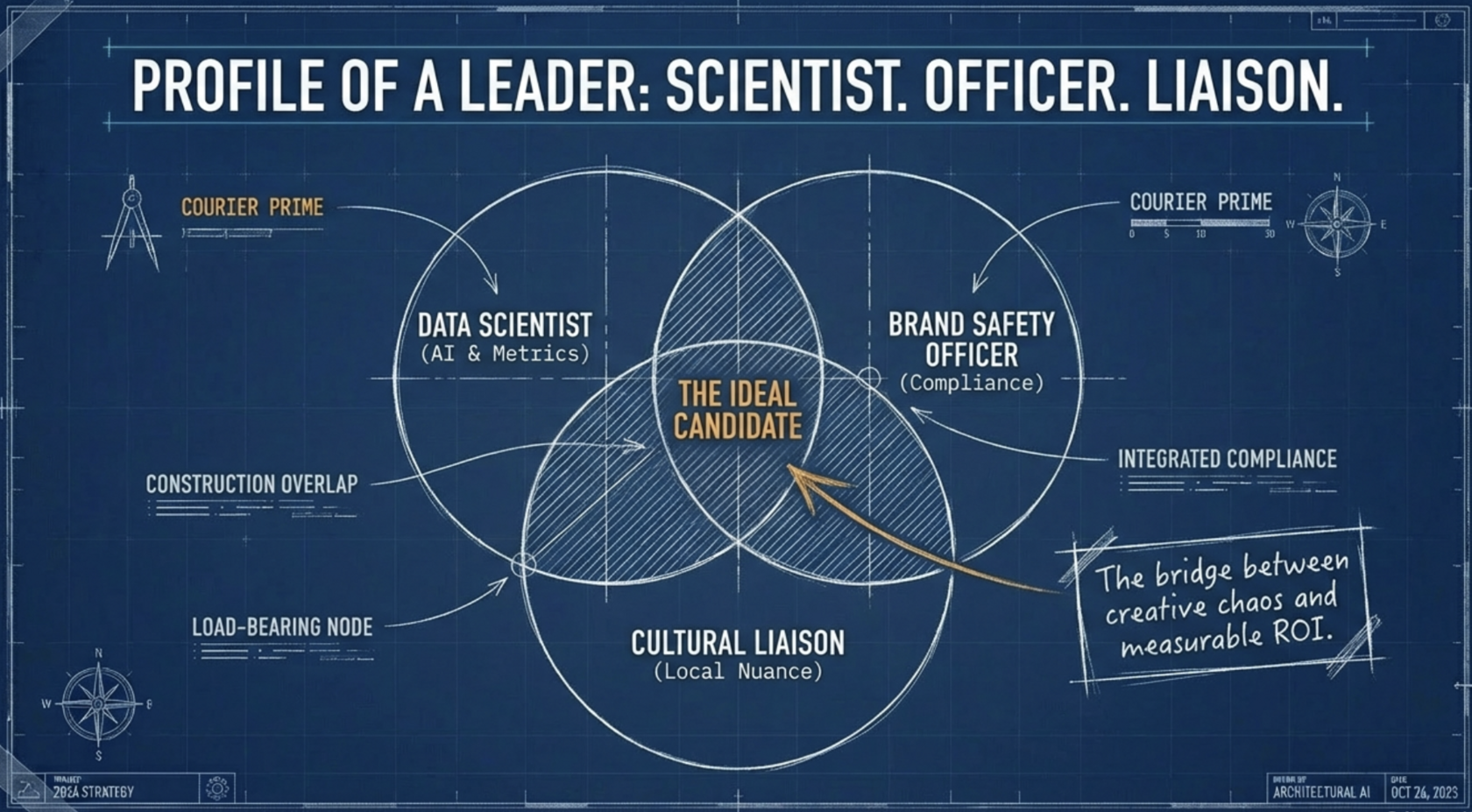
A high-performance influencer marketing manager must demonstrate proficiency across three fundamental pillars: Strategy and Technology, Partnership Management, and Risk Mitigation.
Proficiency in AI and Discovery Tools

The modern manager must seamlessly weave technology into the planning and execution phases of every campaign. They should be adept at using AI platforms, such as Minora AI, to identify the most relevant creators and predict engagement rates with high accuracy. This shift toward technological vetting moves the brand beyond the vanity metrics of follower counts and toward predictable ROI.
Unwavering Focus on Performance Metrics
In a performance-focused marketing department, the manager must frame every campaign around concrete metrics. While impressions are a starting point, a top-tier manager prioritizes clicks, app installations, and direct sales data tracked within the brand’s own infrastructure. This ensures that the influencer budget is treated as a high-performance investment rather than a speculative expense.
Strategic Format and Platform Matching
Success is often determined by the manager’s ability to match specific business objectives with the correct digital format. They must possess the foresight to know that short-form video like Reels is ideal for broad awareness, whereas Instagram or Telegram Stories with direct link integrations are far more effective for driving immediate conversions. This tactical precision prevents wasted effort and maximizes the impact of every piece of content.
Partnership Management and Regional Expertise
The manager is the primary curator of a brand’s influencer ecosystem. They must be able to identify, vet, and manage a pool of creators that reflects the brand’s values and resonates with the local target audience.
Utilization of the Local Trust Matrix

A manager must have the cultural intelligence to select creators who carry genuine weight in the local market. This involves prioritizing "Expert bloggers" for specialized sectors like finance or banking, while utilizing lifestyle bloggers with pristine reputations for broader consumer campaigns. This localized approach ensures that the message is received by a receptive and trusting audience.
Rigorous Vetting and Reputation Management
Maintaining a robust process for excluding high-risk personalities is a mandatory skill. The manager must manage comprehensive blacklists to avoid creators prone to scandals or negative incidents. They recognize that influencer trust is the precursor to consumer search behavior; therefore, protecting the brand’s association with reputable figures is a core responsibility.
Expert Negotiation and Contract Administration
Operational excellence in Central Asia requires the ability to navigate complex payment mechanisms, such as handling UZS currency budgets. A skilled manager has proven experience negotiating competitive rates and can overcome influencer reluctance regarding platform access for tracking. This ensures that the brand maintains full visibility into campaign performance while keeping costs optimized.
Integrity Through Risk and Compliance Management
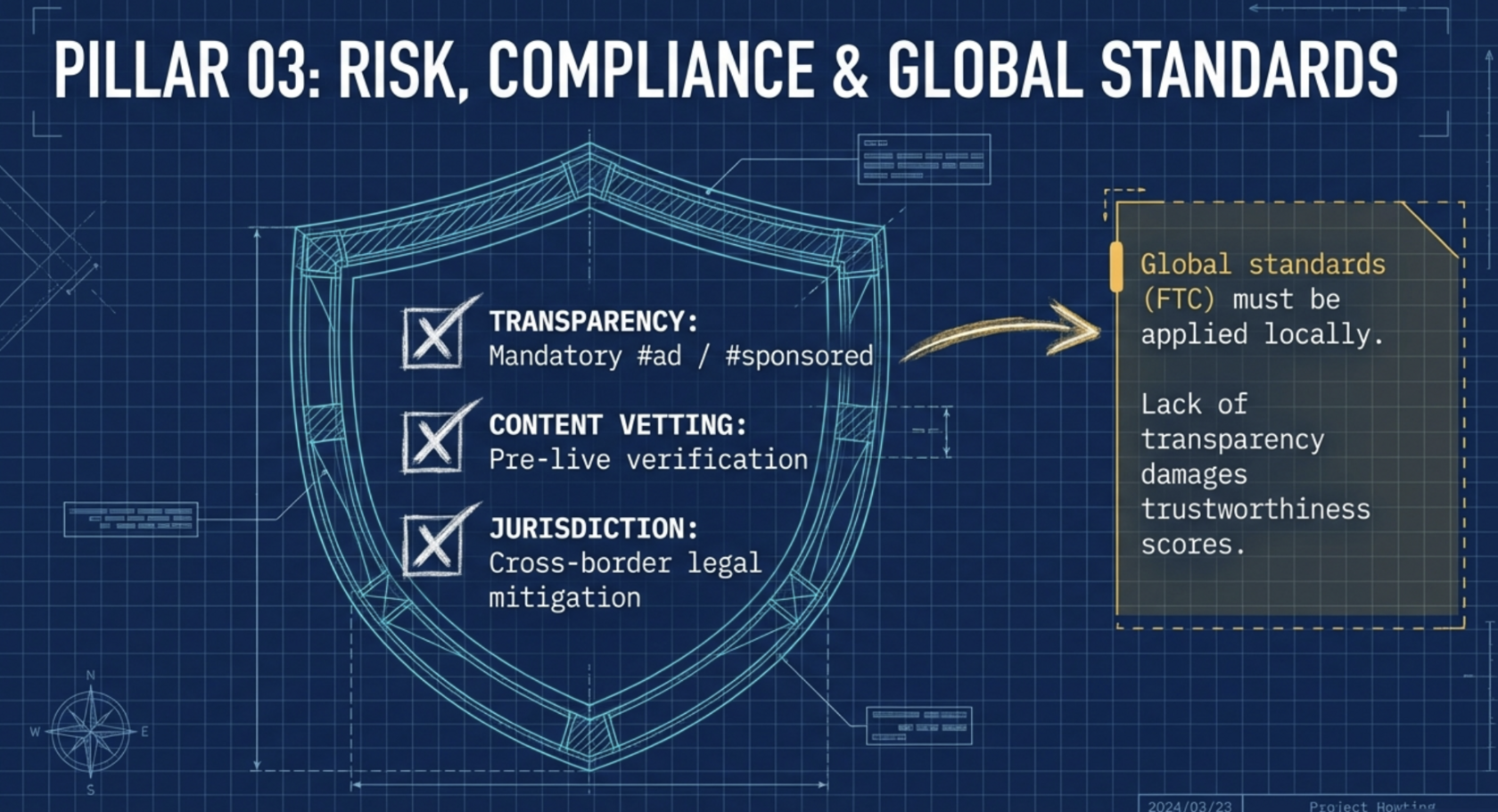
In the modern digital environment, compliance is frequently the most overlooked yet critical area of influencer management. A manager who ignores these standards puts the entire organization at risk.
Enforcement of Disclosure Protocols
The manager is responsible for mandating and verifying clear, conspicuous disclosures across all sponsored content. Whether using #ad or #sponsored tags, they must ensure that all content adheres to the principles of global transparency. Failure to do so damages the brand’s image and can lead to a significant drop in trustworthiness scores with both consumers and search engines.
Meticulous Content Approval Workflows
Beyond simple aesthetics, the manager must oversee the entire creative process to ensure that messaging avoids cultural taboos or brand guideline violations. This is particularly critical in sensitive sectors like banking, where every visual and word must be precise, compliant, and culturally appropriate for the Central Asian market.
Quantifying ROI Through Advanced Analytics

A strategic influencer manager operates under the same quantitative KPIs as the CMO. Their effectiveness should be judged based on several key performance indicators.
Optimization of Cost Per Reach
CPM is the primary metric for measuring the efficiency of awareness-focused campaigns. This is especially relevant for brands in the automotive or banking sectors that target broad exposure. The manager must consistently optimize this cost to ensure the brand is reaching the maximum number of potential customers for every dollar spent.
Justification of Engagement Rates
A manager should not merely report on engagement rates but must provide a data-backed justification for expected performance. They should understand how engagement varies across influencer categories and content types, allowing them to set realistic benchmarks and identify when a creator is underperforming.
Tracking of Key Business Outcomes
For performance-driven campaigns, the ultimate goal must be tracked clicks, app downloads, or direct sales. A high-level manager works closely with the brand’s internal data team to ensure that influencer attribution is accurate and that the channel is delivering a positive contribution to the bottom line.
Measurement of Brand Lift
Long-term success is reflected in metrics such as the growth of positive brand mentions or improvements in Top-of-Mind (TOM) awareness. A successful manager aims for significant growth in these areas, mirroring the +40% growth metrics seen in high-profile 2026 tenders like that of Ipotekabank.
Conclusion
The role of the influencer marketing manager has successfully transitioned from a tactical social media function into a strategic pillar of brand safety and SEO authority. CMOs who prioritize leaders with a blend of AI proficiency, compliance expertise, and local cultural knowledge will secure a significant competitive advantage. In the fast-moving digital economy of Central Asia, only this specialized skill set can guarantee sustainable growth and long-term brand equity.

Frequently Asked Questions
What are the most important qualities in an influencer manager for 2026?
A top-tier manager must possess a blend of data analytical skills, legal compliance knowledge, and cultural intelligence. In 2026, they need to be proficient in AI-driven discovery tools and have a deep understanding of E-E-A-T principles to ensure that influencer content supports broader SEO goals and maintains high brand safety standards.
Why is E-E-A-T relevant to influencer marketing?
E-E-A-T stands for Experience, Expertise, Authoritativeness, and Trustworthiness. Search engines use these signals to rank content. Influencers provide the "Experience" and "Trust" elements. A good manager selects influencers who can authentically demonstrate a product, which helps the brand gain credibility not just with people, but with search algorithms.
How does influencer marketing impact SEO in Central Asia?
Influencer campaigns drive branded search volume. When local audiences see a trusted creator talking about a brand on Instagram or Telegram, they often search for that brand on Google. This increase in search volume signals to Google that the brand is an authority in its niche, leading to higher organic rankings.
Why should brands in Uzbekistan follow FTC guidelines?
Even though the FTC is a US body, its transparency standards are the global gold standard. Following these rules builds long-term consumer trust and protects the brand from future local regulatory shifts. It also ensures that the brand's international reputation remains untarnished as it grows across borders.
What is the difference between awareness and performance influencers?
Awareness influencers typically have broad reach and high follower counts, making them ideal for improving brand recognition and Top-of-Mind awareness. Performance influencers usually have a more niche, dedicated following (micro-influencers) and are more effective at driving specific actions like app installs or sales.
How do you calculate the ROI of an influencer campaign?
ROI is calculated by comparing the total campaign cost against the revenue generated or the value of the specific goals achieved. This includes tracking direct sales through affiliate links, measuring the cost-per-acquisition (CPA) for new customers, or evaluating the equivalent media value of the reach and engagement generated.
What platforms are most effective for influencer marketing in Uzbekistan?
Currently, Telegram, Instagram, and TikTok are the dominant platforms. Telegram is particularly powerful for direct link sharing and community building, while Instagram and TikTok excel at visual storytelling and broad-reach awareness. A successful strategy usually involves a mix of these platforms based on specific campaign goals.
How can a manager detect "fake" engagement?
Sophisticated managers use AI tools like Minora AI to analyze follower growth patterns and comment-to-like ratios. They look for sudden spikes in followers or repetitive, generic comments that suggest bot activity. A manual audit of a creator’s audience demographics is also a standard part of the vetting process.
What should be included in a Central Asian influencer contract?
Contracts should include clear deliverables, usage rights for the content, strict disclosure requirements, and payment terms in local currency (UZS). It is also vital to include "morality clauses" that allow the brand to terminate the partnership if the influencer becomes involved in a scandal that could damage the brand's reputation.
How often should a brand refresh its influencer pool?
While long-term "brand ambassadors" are valuable for building trust, a manager should review the influencer pool quarterly. This allows the brand to phase out underperforming creators and bring in fresh voices to reach new segments of the audience, ensuring the strategy remains dynamic and effective.