


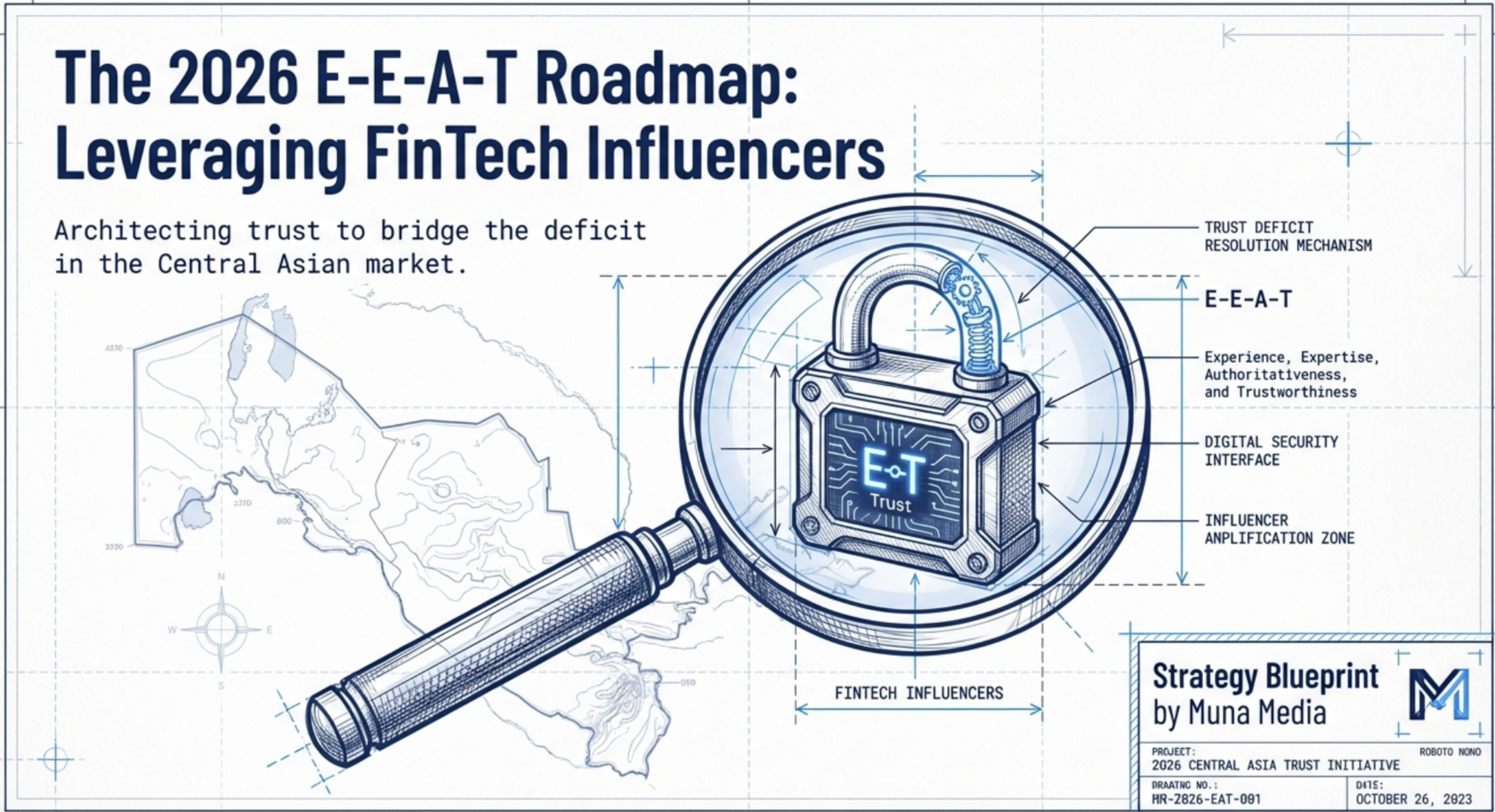
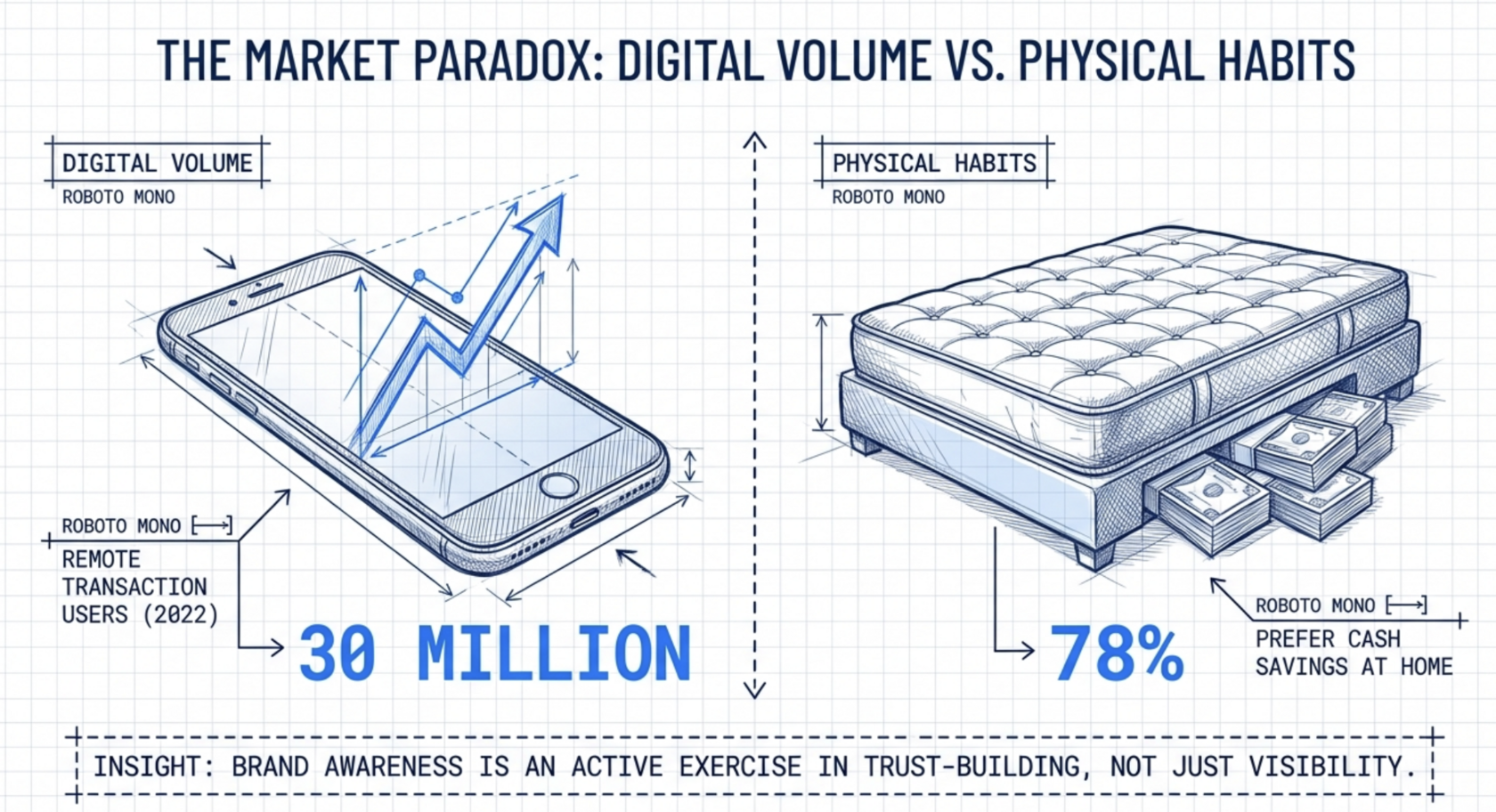
For enterprise Chief Marketing Officers (CMOs) operating in Central Asia, the challenge of customer acquisition is fundamentally a challenge of trust. While digital adoption is skyrocketing—with remote transaction users in Uzbekistan soaring to 30 million as of 2026—a deep-seated skepticism toward formal financial systems remains prevalent. This is precisely where the modern finance influencer plays a critical role. These creators are successfully bridging the trust deficit by breaking down complex money management and investment topics into practical advice on platforms like TikTok, Instagram, and YouTube. For a brand, the goal is not merely buying reach, but gaining the authentic endorsement and firsthand experience that these local figures provide.
The Strategic Imperative: Bridging the Trust Vacuum in Central Asia
The Uzbek market context dictates that brand awareness must be an active exercise in trust-building. With a significant portion of the population still preferring to save cash at home rather than in formal institutions, trust is the single most important strategic variable for any financial institution or fintech startup.
Navigating the Competitive Dynamic of SuperApps
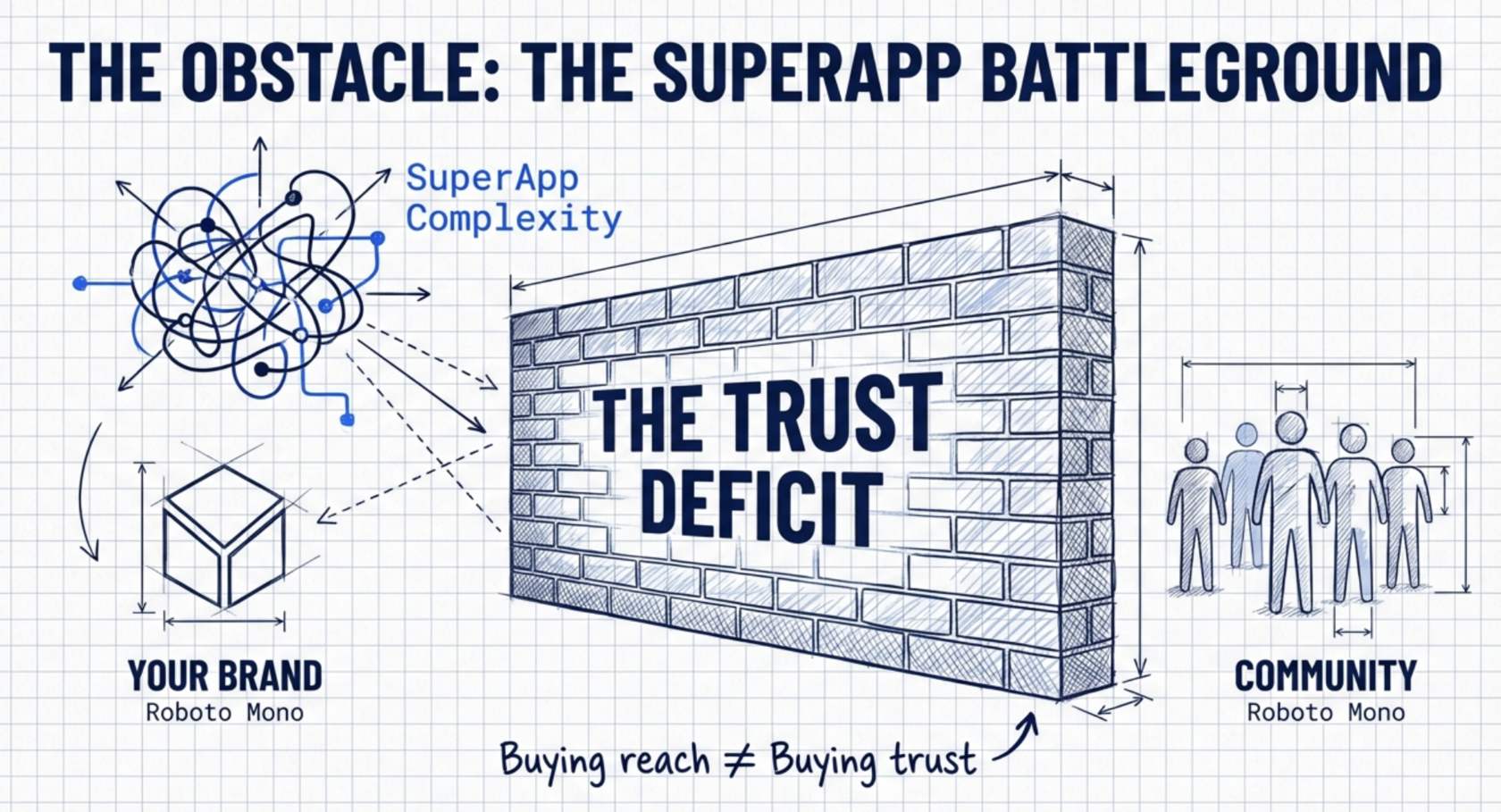
Major incumbent fintech players in Uzbekistan are currently engaged in a intense battle for market dominance, focusing on integrating complex features like e-commerce and delivery into single "SuperApps." This race toward technical complexity often widens the gap for brands that choose to position themselves as simple, reliable, and trustworthy. To win, a brand must prove its reliability through third-party validation rather than just feature-heavy marketing.
Demonstrating Real-World Experience
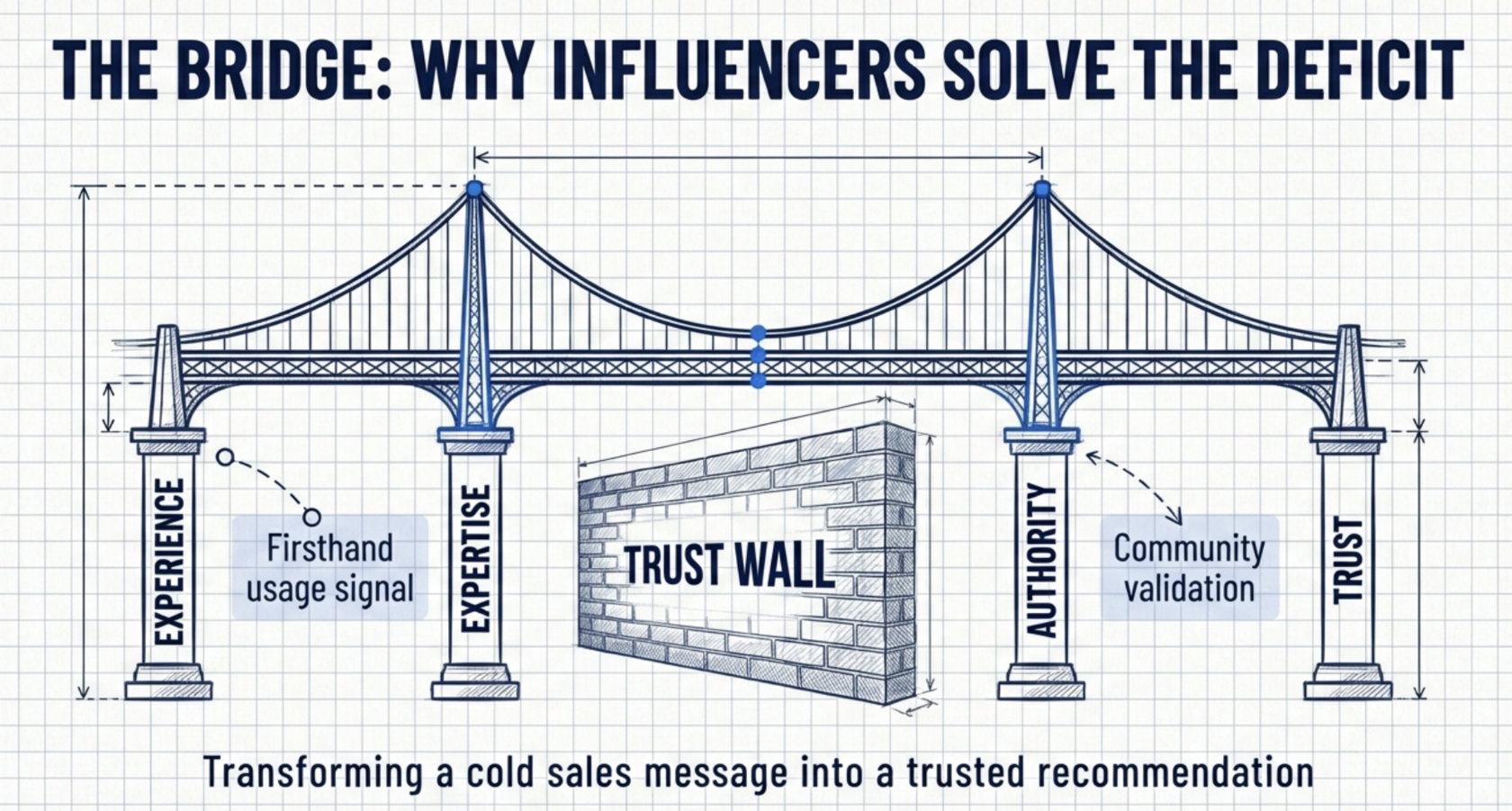
When a specialized micro or mid-tier creator actively uses and advocates for a financial tool, they provide the "Experience" signal that Google prioritizes in its E-E-A-T framework. This firsthand demonstration is far more effective than traditional advertising because it shows the product functioning within the context of a real person's daily life, which is a prerequisite for consumer trust in the financial sector.
Leveraging Community Validation and Peer Networks
Financial decisions in Uzbekistan are heavily influenced by family and community networks. An influencer acts as a respected extension of that community, providing the peer recommendation needed to overcome historical skepticism. By partnering with these voices, a brand shifts from being a faceless corporation to being a tool recommended by a trusted "friend" or mentor.
Mastering High-Engagement Media Channels
Given that Telegram is the primary source of news and Instagram or TikTok dominate lifestyle and entertainment, influencers already control the high-engagement platforms required to reach digital natives. A strategic manager ensures that the brand message is natively integrated into these channels, meeting the audience where they are already most active and receptive.
Mapping Finance Influencers to the Modern Customer Journey

An effective finance influencer strategy moves beyond vanity metrics and focuses on niche authority that aligns with your specific customer avatars. For digital products targeting ambitious individuals, the partnership must convey practical, actionable value that helps them navigate their personal financial growth.
Identifying and Partnering with Niche Authorities
Rather than chasing generic celebrities, CMOs should seek out experts who possess high-authority status in specific verticals. This ensures that the message is delivered to a pre-qualified audience that is already interested in the subject matter.
Partnering with Finance and Business Experts
Creators who focus strictly on business and entrepreneurship content attract a conscious and highly interested audience. These followers are actively looking for growth and new financial opportunities, making them the ideal demographic for investment platforms, business banking, or specialized credit products.
Utilizing Tech and Lifehack Bloggers
Tech bloggers specialize in practical digital solutions and reviews. They garner trust through a focus on real benefits and functionality. For a fintech app, these influencers can provide the "technical validation" needed to prove that an app is not only secure but also easier to use than traditional banking methods.
Engaging Education and Self-Development Creators
Bloggers creating content centered on languages, education, and personal growth resonate strongly with younger audiences motivated by self-improvement. By framing a financial product as a tool for achieving educational goals or personal independence, a brand can tap into the aspirational nature of the younger Uzbek demographic.
Crafting Storytelling-Based Content for Conversion
The content mandate should prioritize storytelling over direct product pushes. By focusing on real-world use cases, influencers can address core customer fears and motivations more effectively than a standard sales pitch.
Addressing the Fear of Fraud and Scams
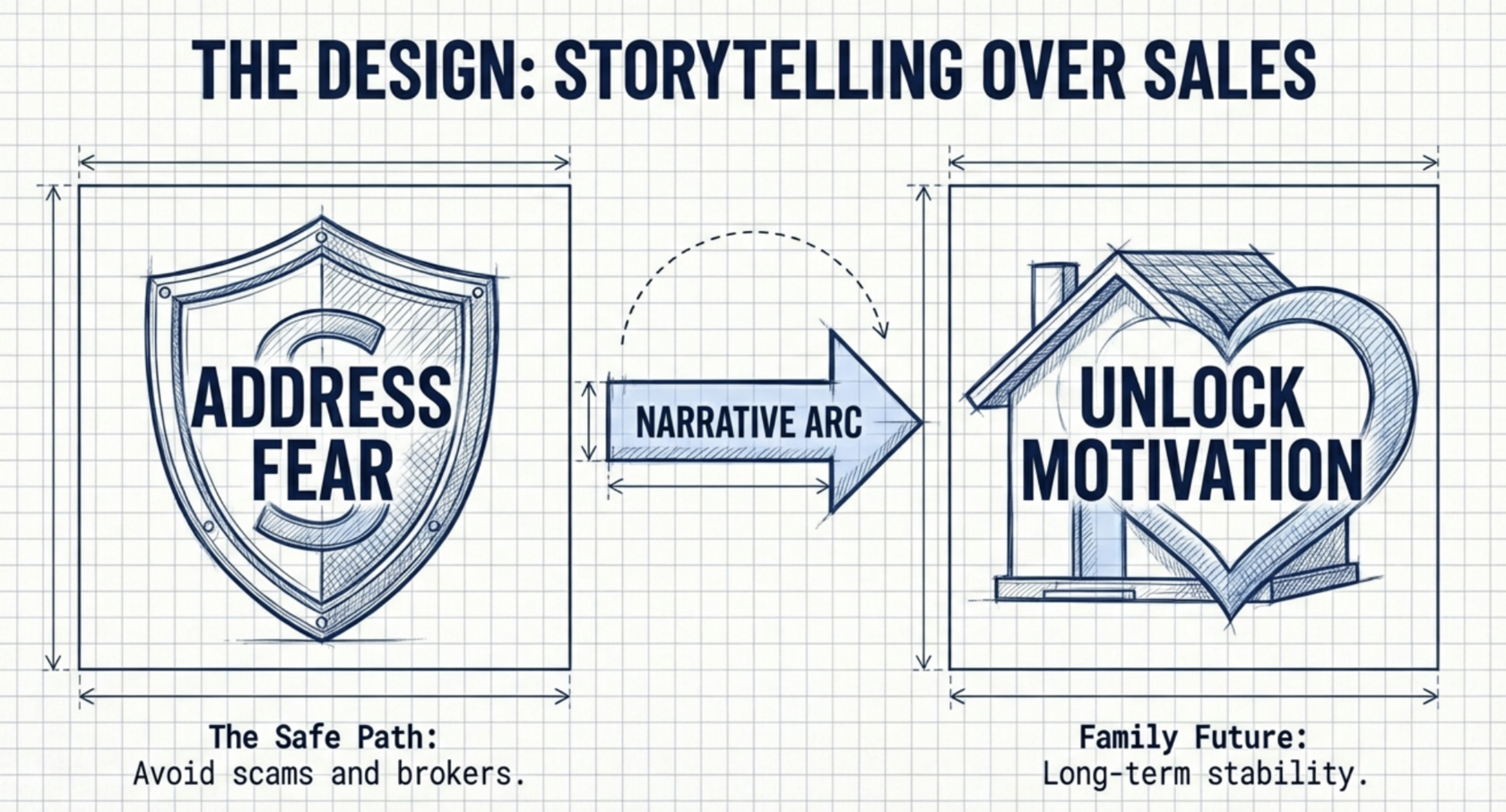
Since low trust and the fear of fraudulent brokers are key barriers to entry in Central Asia, content must emphasize security and legal compliance. Influencers should frame your product as the "safe path," highlighting specific security features and regulatory approvals to reassure their audience that their money is protected.
Appealing to Family and Future Motivations
Marketing in Uzbekistan must respect the high value placed on long-term stability and family support. Content should focus on how the financial tool helps users achieve a better, more secure future for their loved ones. Whether it is saving for a child's education or a new home, connecting the product to family values increases its emotional resonance.
Prioritizing Short-Form Video Formats
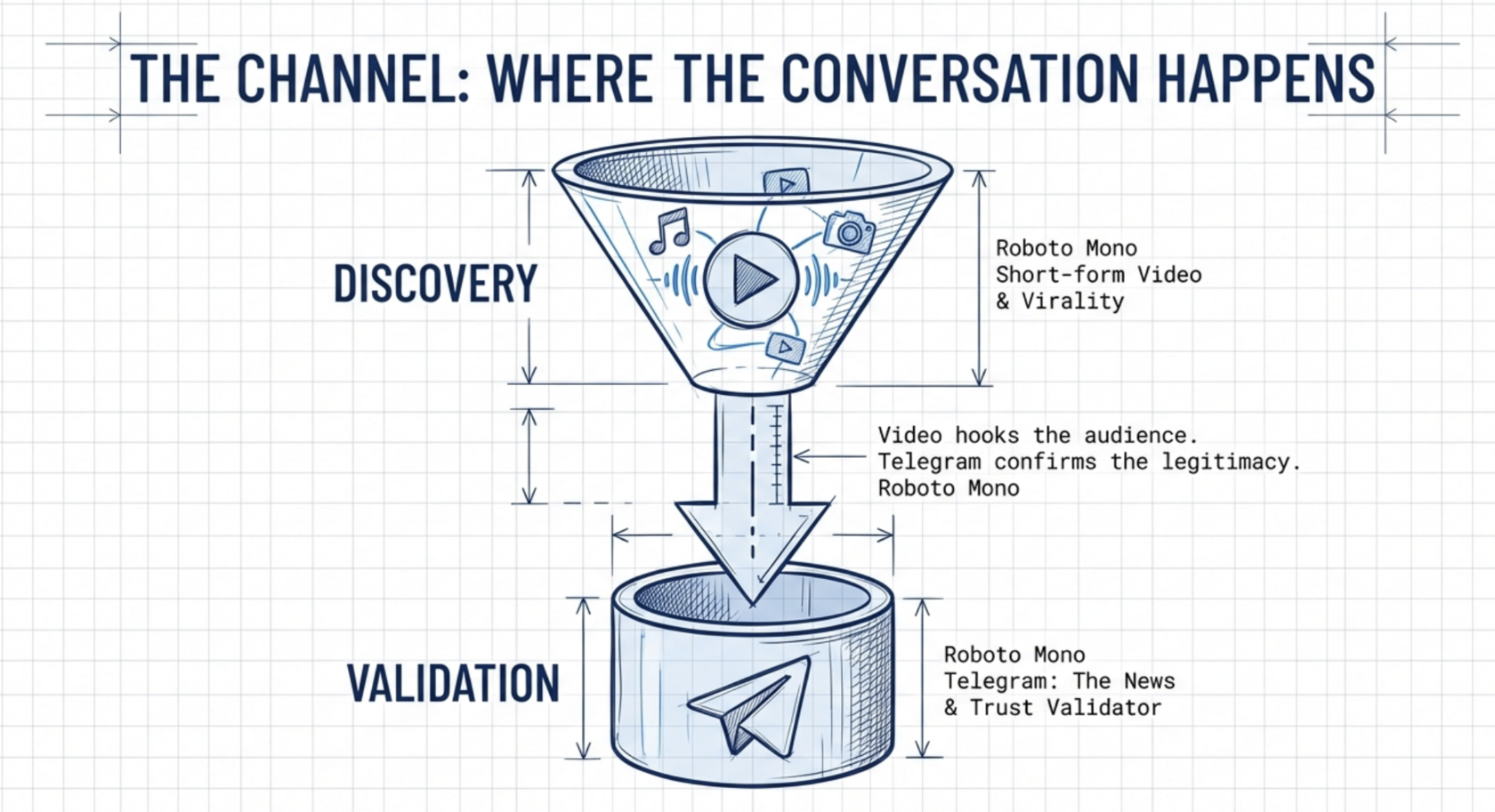
All influencer content must be adapted for short-form video where these creators thrive. TikTok, Instagram Reels, and YouTube Shorts allow for high virality and engagement. A video demonstration of an app's interface or a quick "top 3 tips" segment is much more digestible and shareable than static images or long text posts.
Measuring ROI: E-E-A-T and Conversion Metrics for CMOs
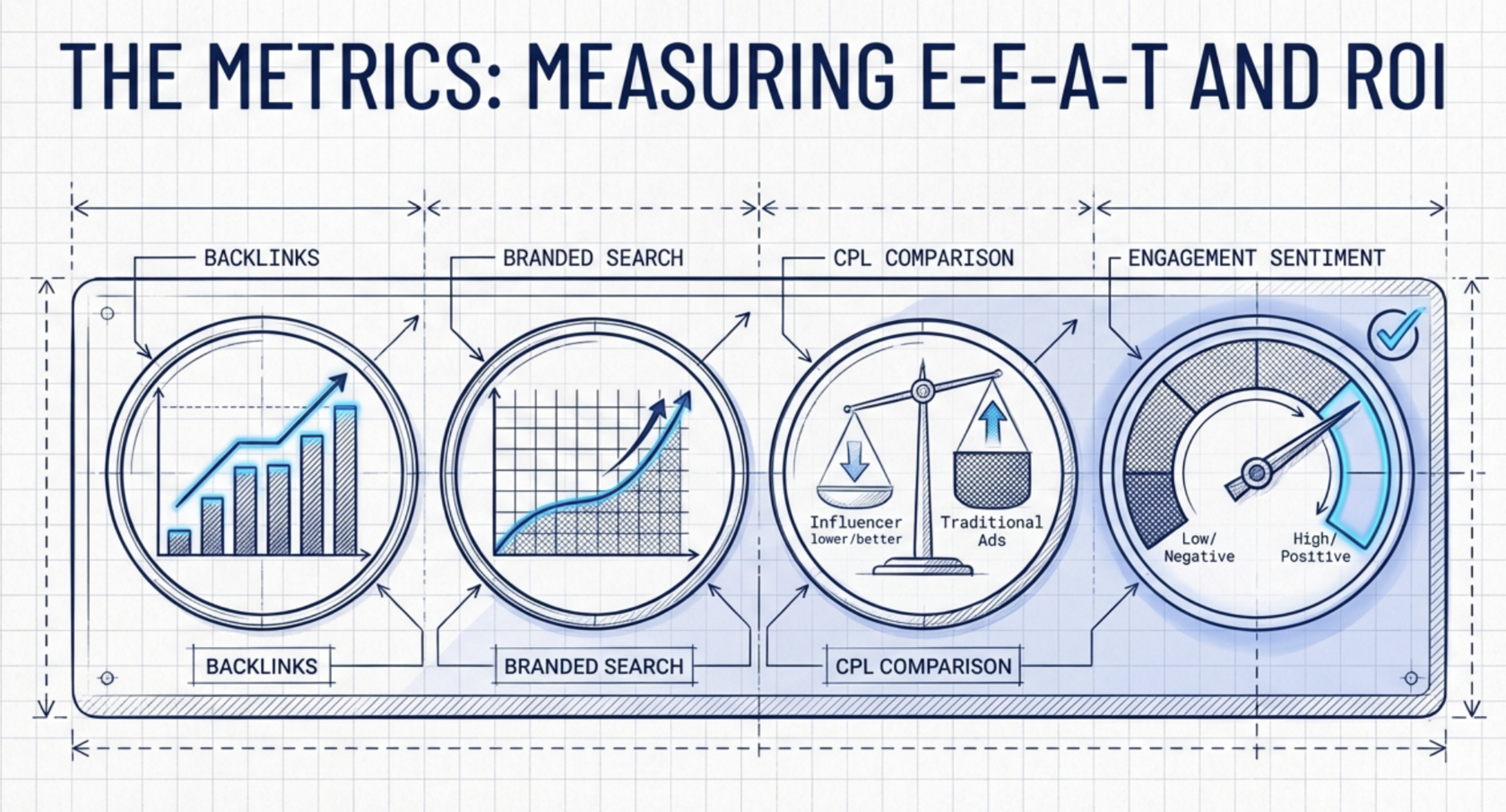
For Enterprise CMOs, influencer marketing should be measured not only by immediate direct response metrics but also by its long-term impact on organic performance and brand authority.
Amplifying E-E-A-T and Search Authority
A successful campaign tracks the number and quality of high-authority mentions and backlinks generated. These links create natural pathways to stronger E-E-A-T profiles for your domain. When search engines see trusted finance experts linking to your brand, your overall organic visibility improves significantly.
Monitoring Branded Search Volume Growth
Influencer campaigns drive significant brand awareness and direct traffic. This subsequently feeds long-term SEO by increasing the volume of users searching directly for your brand name or specific product on Google. Growth in branded search is a primary indicator of a successful, trust-based campaign.
Calculating Comparative Cost Per Lead
CMOs must compare the Cost Per Lead (CPL) generated from an influencer's platform—such as a Telegram link or Instagram bio—directly against the CPL generated by traditional paid social media ads. Often, influencer-led leads have a higher lifetime value because they come with a built-in level of trust.
Forecasting and Analyzing Conversion Rates
It is essential to analyze conversion forecasts provided by the agency, segmenting results by creator type and content format. By understanding whether "Stories" or "Main Feed" posts drive more registrations, you can optimize your media plan to favor the highest-converting assets.
Benchmarking Authentic Engagement Rates
Focus on Engagement Rate (ER) as a primary indicator of community relevance. High levels of likes, shares, and especially thoughtful comments confirm the perceived authenticity of the partnership. Sentiment analysis of these comments can also provide invaluable feedback on how the brand is being perceived by the local market.
Conclusion
The CMO's primary objective in the Central Asian financial landscape is to overcome deeply ingrained distrust. Influencer marketing, particularly with localized niche experts, is arguably the most efficient strategy for achieving this. It transforms marketing from a cold sales message into a trusted community recommendation. By strategically integrating these authentic voices into your funnel, you secure vital off-page signals that strengthen E-E-A-T, drive measurable conversions, and establish your brand as a reliable partner in the Uzbek digital economy.
Frequently Asked Questions
Why is E-E-A-T critical for fintech in Uzbekistan?
E-E-A-T is critical because the Uzbek market suffers from a trust deficit regarding formal financial institutions. Search engines and consumers alike look for Experience, Expertise, Authoritativeness, and Trustworthiness. Influencers provide the "Experience" and "Trust" signals that help a brand overcome skepticism and rank higher in search results.
What is the "Trust Deficit" in Central Asian finance?
The trust deficit refers to the fact that many people in Central Asia, including approximately 78% of Uzbeks, prefer to save cash at home rather than use banks. This is due to historical instability. Finance influencers help bridge this gap by acting as trusted intermediaries who explain the safety and benefits of modern fintech.
How do micro-influencers outperform celebrities for banks?
Micro-influencers often have higher "Expertise" and "Experience" signals. While a celebrity might have more followers, a micro-influencer who specializes in business or tech has a much more engaged and trusting audience. For a bank, a recommendation from a niche expert carries more weight than a broad endorsement from a famous actor.
What role does Telegram play in Uzbek finance marketing?
Telegram is the primary source of news and financial information in Uzbekistan. Many finance influencers run dedicated channels where they share deep-dives into investment strategies or market news. It is the most effective platform for driving high-quality traffic to a registration page via direct links.
How do you measure the SEO impact of an influencer campaign?
The SEO impact is measured through "Branded Search Volume"—the number of people searching for your brand name after seeing an influencer's content. Additionally, high-quality mentions and links from an influencer's blog or social profiles contribute to your site’s domain authority and E-E-A-T profile.
Is disclosure (#ad) mandatory for Uzbek influencers?
While local laws are still evolving, following global disclosure standards like the FTC’s (#ad or #sponsored) is mandatory for building E-E-A-T. Transparency ensures that the audience trusts the influencer, and search engines reward this honesty with better long-term rankings and brand reputation.
How does influencer marketing affect branded search volume?
When a trusted influencer discusses a brand on Instagram or TikTok, it creates "curiosity traffic." Many users will then switch to Google to search for the brand directly to learn more. This increase in direct searches tells Google that the brand is an authority, which boosts its overall organic search ranking.
What content formats drive the highest conversion for finance products?
Short-form video with a direct call to action is currently the most effective. Instagram Stories or Telegram posts with direct, trackable links often see higher conversion rates for app installs or registrations than permanent feed posts, which are better suited for long-term brand awareness.
How can banks overcome the fear of scams through creators?
Banks can overcome this fear by having influencers perform "security audits" or walk-throughs of the app's safety features. When an influencer demonstrates how to set up two-factor authentication or shows that a bank is officially licensed, it provides the "Expertise" and "Trust" needed to reassure fearful customers.
How do you track ROI for a non-direct response campaign?
For awareness-focused campaigns, ROI is tracked through "Brand Lift" metrics. This includes measuring the growth in positive social media mentions, the increase in Top-of-Mind awareness (TOM), and the reduction in the overall Cost Per Reach (CPM) compared to traditional display advertising.